

Introduction
Pulling into the driveway should feel good, not like a reminder of a yard that never quite came together. Small front yard landscaping ideas can turn a patchy lawn and a few overgrown shrubs into a welcoming, well-organized space, and the transformation often takes less effort than people expect.
A small front yard actually has an advantage over a large one. There’s less space to fill, which means every plant, path, and material choice carries more visual weight. That makes it easier to create a polished, cohesive look without a huge budget or a full landscaping crew. This guide walks through exactly how to plan, layer, and finish a small front yard so it feels intentional from the sidewalk all the way to the front door.
What You’ll Need
Depending on the scope of your project, you may want to gather:
- A measuring tape for mapping the yard’s actual dimensions
- Graph paper or a simple sketch app for planning the layout
- Garden edging material, such as steel, brick, or stone
- Mulch or gravel for planting beds and pathways
- A mix of shrubs, perennials, and one or two small trees suited to your climate zone
- Basic hand tools, like a shovel, hand trowel, and pruning shears
- Outdoor-rated house numbers, a doormat, and a planter or two for the entry
- Optional: solar path lights, a small trellis, or a window box
Only bring in what your specific plan calls for. A small front yard rarely needs every item on this list at once.
Step-by-Step Instructions
Step 1: Map the Space and Note What’s Already Working

Before buying a single plant, walk your front yard and take stock of what’s there. Note any mature trees or shrubs worth keeping, the direction the yard faces, and where water tends to pool after rain. Measure the width of planting beds and the distance from the sidewalk to the front door, since these numbers will guide almost every decision that follows.
This step matters because small yards have very little room for guesswork. A plan built around your yard’s actual sun exposure and drainage will hold up far better than one copied directly from a photo.
Step 2: Define a Clear Path to the Front Door

A well-defined path is one of the most effective ways to bring instant order to a small front yard. Whether it’s an existing concrete walkway or a new path in gravel, brick, or flagstone, the goal is a clear, comfortable route from the sidewalk or driveway to the entrance.
Keep the path wide enough for two people to comfortably pass, generally around three to four feet, and make sure it’s a consistent width along its full length rather than narrowing or widening awkwardly. Curved paths can look charming in photos, but in a small yard, a shorter, more direct route often looks more intentional and uses space more efficiently.
Step 3: Establish Structure with Foundation Plantings

Space plantings so mature shrubs won’t block windows or crowd the walkway, since small yards make this mistake especially visible. A helpful decorating trick is choosing plants in odd-numbered groupings, like three or five of the same variety, which tends to look more natural than single, scattered specimens.
Step 4: Layer in Color with Seasonal Plants

Once the structural plantings are in place, add layers of color using perennials, annuals, or flowering shrubs. In a small yard, it helps to choose a simple, cohesive color palette, generally two or three colors, rather than a wide mix that can make the space feel busy.
Place taller plants toward the back of a bed, near the house, and shorter plants toward the front edge, near the walkway or lawn. This layered height creates depth even in a shallow planting bed, which is often the case in front yards with limited space between the house and the sidewalk.
Step 5: Edge Beds and Paths for a Finished Look

Clean edges between lawn, planting beds, and pathways make an enormous difference in how organized a small yard appears. Without a defined edge, beds tend to blur into the lawn and can look neglected even when the plants themselves are healthy.
Steel, brick, or natural stone edging all work well, and mulch or gravel inside the bed helps suppress weeds while giving the planting area a clean, consistent surface. Re-edge beds at least once a season, since grass and mulch naturally creep into each other over time.
Step 6: Add a Focal Point Near the Entry

A small front yard benefits from one clear focal point rather than several competing for attention. This could be a well-placed urn or planter beside the front door, a small ornamental tree near the walkway, or a window box beneath a front-facing window.
Choose a single focal element and let the rest of the yard support it visually. In smaller yards, this approach can make the space feel more open, since one strong feature reads as intentional, while several scattered accents can make a small area feel cluttered.
Step 7: Layer in Lighting for Evening Curb Appeal

Outdoor lighting extends how much of the day your front yard actually gets to shine. Simple solar path lights along the walkway, a lantern-style fixture by the front door, or subtle uplighting on a small tree can all add warmth without requiring extensive electrical work.
Keep lighting understated in a small yard. A few well-placed fixtures generally look more polished than lighting every plant or edge, which can feel busy rather than inviting once it’s dark.
Step 8: Finish with Entry Details

The final layer is often what people notice first: the door itself and the elements right around it. A fresh coat of paint on the front door, updated house numbers, a natural fiber doormat, and one or two planters flanking the entrance can pull the whole yard together.
Keep planters proportional to the door and porch size, since oversized pots can look top-heavy on a small stoop, while undersized ones can disappear entirely. A helpful decorating trick is choosing planters in a material or color that echoes something else on the house, like the trim color or roofline, for a more cohesive final look.
Tips for Best Results
- Choose plants suited to your specific hardiness zone and sun exposure, since even the most beautiful plant will struggle if it’s a poor climate match.
- Stick to a limited plant palette, generally three to five varieties total, to keep a small yard feeling cohesive rather than scattered.
- Repeat one material, like a specific stone or brick, in two or three places, such as the path and a planter, for visual consistency.
- Prioritize evergreen structure first, then add seasonal color, so the yard still looks intentional in winter months.
- A budget-saving trick is starting with smaller plant sizes, since many shrubs and perennials fill in significantly within a season or two.
Common Mistakes to Avoid
Overplanting a small space. It’s tempting to fill every available inch, but overcrowded beds often look messy within a year or two as plants mature and compete for space.
Choosing plants that will outgrow their spot. A shrub that looks appropriately sized at planting can quickly overwhelm a small bed or block a window within a few years.
Ignoring drainage. Water pooling near the foundation or walkway is a common issue in small yards, and it’s much easier to address in the planning stage than after plants are already in the ground.
Skipping edging. Without a clear boundary between lawn and beds, even healthy plantings can look undefined and untended.
Overdoing lighting or decor. A small yard can look busy quickly if every path light, planter, and ornament competes for attention. Restraint generally reads as more polished.
Variations
Budget version: Focus on lawn edging, one or two well-placed shrubs, fresh mulch, and a painted front door. These low-cost changes alone can meaningfully improve curb appeal.
Modern variation: Use structural plants like ornamental grasses and boxwood, paired with clean-lined concrete pavers and minimal color variation.
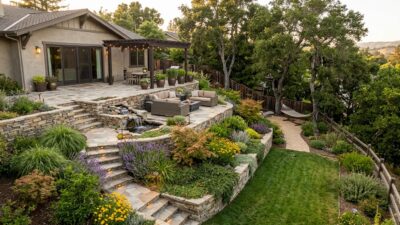
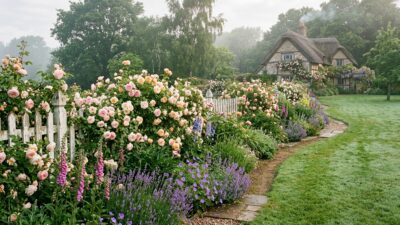
Cottage variation: Lean into layered perennials, a mix of soft colors, and a brick or gravel path for a more relaxed, romantic feel.
Low-maintenance variation: Choose drought-tolerant, slow-growing shrubs and gravel groundcover instead of a traditional lawn, reducing both watering and mowing needs.
Rental-friendly variation: Focus on container gardening, a new doormat, and updated house numbers, since these changes require no permanent landscaping work.
Maintenance and Longevity
A well-planned small front yard should require manageable, predictable upkeep rather than constant attention. Most shrubs and perennials need seasonal pruning, typically once or twice a year, to maintain their shape and keep them from crowding walkways or windows.
Mulch generally needs refreshing once a year to maintain its appearance and continue suppressing weeds effectively. Edging, whether steel or brick, holds up for many years but benefits from an annual check to reset any sections that have shifted from frost or foot traffic. Outdoor lighting fixtures, especially solar options, typically need occasional cleaning of the solar panel surface to keep them charging and functioning properly.
Front Yard Material Comparison
| Material | Best Use | Maintenance | Approximate Cost Level |
|---|---|---|---|
| Gravel | Pathways, low-water beds | Low, occasional topping up | Budget-friendly |
| Brick | Edging, pathways | Low | Mid-range |
| Natural stone | Pathways, focal features | Low | Higher investment |
| Steel edging | Bed borders | Very low | Budget to mid-range |
| Mulch | Planting beds | Moderate, annual refresh | Budget-friendly |
Frequently Asked Questions
How much does it cost to landscape a small front yard? Costs vary widely depending on materials and plant choices, but a small front yard is generally more affordable to landscape than a larger one, simply because it requires less material and fewer plants overall. Starting with edging, mulch, and a few key shrubs is a realistic lower-cost approach.
What plants work best for a small front yard? Compact, slow-growing shrubs, ornamental grasses, and perennials suited to your specific climate zone tend to work best, since they won’t quickly outgrow a limited space. A local garden center can help confirm which varieties suit your region.
How do I make a small front yard look bigger? Curved bed lines, layered plant heights, and a clear, uncluttered path can all help a small yard feel more spacious. Avoiding overplanting is one of the most effective ways to prevent a small space from feeling cramped.
Do I need a lawn in a small front yard? No. Many small front yards use gravel, groundcover, or expanded planting beds instead of traditional turf, particularly in dry climates or low-maintenance designs.
How often should I update my front yard landscaping? Major structural elements like shrubs and trees can last many years with regular maintenance, while seasonal color from annuals or perennials can be refreshed each year to keep the yard feeling current.
Conclusion
A small front yard has more potential than it often gets credit for, and a few thoughtful changes can make a real difference in how your home is seen from the street. Sometimes the smallest addition, like a freshly edged bed or a well-placed planter, can completely shift how welcoming a home feels. These small front yard landscaping ideas are meant to be a starting point, so choose the steps that fit your space and budget, and let your front yard reflect the care you put into the rest of your home. Save this guide, and feel free to share it with anyone tackling their own front yard refresh.

Indy Santos is a passionate interior styling specialist and home living enthusiast with a focus on contemporary decor, smart space planning, and affordable design inspiration. At Inspired Homex, she provides readers with fresh decorating concepts, actionable advice, and professional guidance to create comfortable, elegant, and well-organized homes that reflect their personal style.